Airport Outrage Mounts Over Aviation Security Officials’ Excesses as Passengers Demand Urgent Reforms
Growing complaints over alleged harassment, extortion, manual luggage searches and unprofessional conduct by aviation security officials at Nigerian airports have sparked calls for sweeping reforms to restore passenger confidence and improve the travel experience.
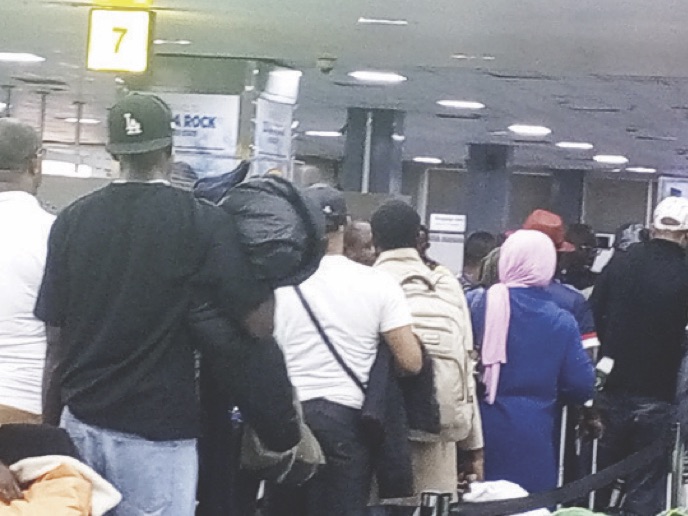
Public frustration is mounting over the conduct of some aviation security personnel at Nigerian airports, with passengers, aviation experts and industry stakeholders calling for urgent reforms to curb alleged harassment, extortion and excessive security procedures.
The controversy has intensified following a series of reported incidents involving manual luggage searches, confiscation of personal items and allegations of intimidation by officials responsible for airport screening. Many travellers argue that these practices tarnish Nigeria’s image, discourage tourism and undermine confidence in the country's aviation sector. (Punch Newspapers)
Growing Passenger Complaints
Passengers using several Nigerian airports have increasingly voiced concerns over what they describe as unnecessary and repetitive security checks.
Many complain that after baggage has already been screened using X-ray machines, some security officials still insist on manually opening luggage without providing clear explanations.
Others allege they have been pressured to surrender personal belongings, make unofficial payments or endure lengthy inspections that delay their journeys. These complaints have gained traction on social media, where videos and eyewitness accounts have fueled public outrage.
One widely circulated video reportedly showed security personnel at Osubi Airport in Delta State manually searching for a passenger’s luggage despite available scanning equipment, reigniting debate over airport security practices. (Facebook)
Calls for Professionalism
Industry stakeholders say airport security remains essential, but insist it must be carried out professionally, transparently and in accordance with international best practices.
Aviation analysts argue that while security officers have a duty to prevent prohibited items from entering restricted areas, passengers also deserve to be treated with dignity and respect.
Experts have warned that poor customer service, inconsistent enforcement of security procedures and allegations of misconduct could discourage both domestic and international travellers from choosing Nigerian airports.
According to aviation observers, the objective should be to strike a balance between maintaining high security standards and ensuring a smooth travel experience.
Allegations of Extortion and Intimidation
Among the most serious concerns raised by travellers are allegations of extortion.
Some passengers claim they have been asked for unofficial payments before being allowed to proceed through security checkpoints or retrieve confiscated items.
Although aviation authorities have repeatedly warned personnel against such practices, passengers say isolated incidents continue to occur.
Consumer rights advocates argue that any form of extortion or abuse of office damages public trust in aviation institutions and calls for stronger disciplinary measures against erring officials.
Aviation Security's Critical Role
Despite the criticism, aviation experts emphasise that airport security remains one of the most important components of safe air travel.
Nigeria's aviation security personnel are responsible for screening passengers, inspecting baggage, preventing prohibited items from entering aircraft and responding to potential security threats.
Their work aligns with standards established by the International Civil Aviation Organisation (ICAO) and implemented through the Nigeria Civil Aviation Authority (NCAA) and the Federal Airports Authority of Nigeria (FAAN).
Security experts caution that any reforms must preserve the integrity of airport screening while addressing concerns about professionalism and accountability.
Social Media Amplifies Public Anger
Recent incidents captured on mobile phones have significantly amplified public criticism.
Videos show prolonged manual baggage searches, confrontations between passengers and security personnel, and disputes over confiscated items have attracted thousands of reactions online.
Many Nigerians argue that such incidents create negative perceptions among foreign visitors and business travellers.
Travel bloggers and aviation enthusiasts have also urged authorities to modernise airport procedures by relying more heavily on technology rather than repeated physical inspections.
Need for Better Training
Aviation stakeholders believe improved training could help reduce conflicts between security personnel and passengers.
Regular refresher courses on customer relations, human rights, conflict management and international security procedures are seen as essential to improving service delivery.
Experts also recommend clearer communication with passengers regarding the reasons for additional screening whenever manual inspections become necessary.
Such measures, they argue, would improve transparency and reduce misunderstandings.
Technology as Part of the Solution
Industry observers have called for greater investment in advanced screening technology to minimise unnecessary physical searches.
Modern airport security systems, including high-resolution scanners, explosive detection equipment and automated baggage screening, can improve both security and passenger convenience.
Where technology is effectively deployed and properly maintained, manual searches should generally be limited to situations where scanning equipment identifies a specific concern requiring further inspection.
This approach aligns with the best international practices adopted at many leading airports around the world.
FAAN and Regulatory Expectations
Although the Federal Airports Authority of Nigeria (FAAN) has introduced measures over the years to improve airport operations, stakeholders say stricter oversight is needed to ensure compliance with professional standards.
Industry groups have urged airport management to strengthen complaint mechanisms, encourage whistleblowing and investigate reports of misconduct promptly.
Passengers are also being encouraged to report inappropriate behaviour through official complaint channels rather than resorting solely to social media.
According to aviation professionals, accountability remains essential for restoring public confidence in airport operations. (Punch Newspapers)
Impact on Nigeria's Aviation Image
Nigeria has invested significantly in upgrading airport infrastructure and attracting international airlines.
However, observers warn that reports of poor passenger experiences can undermine these efforts.
Business travellers, investors and tourists often judge a country by their first interaction at the airport, making professionalism among frontline personnel especially important.
Improving customer service while maintaining strict security standards could strengthen Nigeria's reputation as a regional aviation hub.
Calls for Immediate Reform
Stakeholders are now calling for a comprehensive review of airport security operations.
Recommended reforms include stronger supervision of aviation security personnel, increased use of modern screening technology, clear disciplinary measures for misconduct, regular customer service training, and more efficient complaint resolution systems.
Many believe these steps would improve both security and passenger satisfaction.
Conclusion
The growing outrage over the alleged excesses of some aviation security officials reflects broader concerns about accountability, professionalism and the overall passenger experience at Nigerian airports.
While effective security remains non-negotiable, experts agree that it must be delivered with respect for passengers' rights, transparency and adherence to global best practices.
As calls for reform grow louder, aviation authorities face increasing pressure to address complaints, strengthen oversight and ensure that Nigerian airports project the professionalism expected of a modern international aviation system.