Air India Crisis Deepens as Global Attention Builds Ahead of Ahmedabad Crash Final Report
Air India faces renewed scrutiny as investigators prepare to release the final report on the alleged Ahmedabad crash incident, raising questions over safety standards, operational oversight, and regulatory pressure on India’s aviation sector.
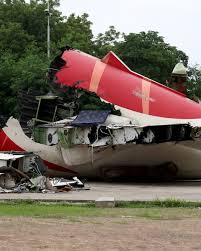
The crisis surrounding Air India has intensified following growing anticipation over the release of a long-awaited final investigation report into the alleged Ahmedabad crash incident, a development that has once again placed India’s national carrier under intense domestic and international scrutiny.
While official findings have yet to be publicly released, multiple media outlets report that the upcoming conclusions from aviation investigators could have far-reaching implications for Air India’s operational credibility, regulatory compliance, and ongoing transformation under the Tata Group’s management.
The anticipation alone has triggered widespread concern across the aviation industry, with analysts warning that the outcome could either reinforce confidence in India’s aviation safety framework or expose deeper structural weaknesses that require urgent reform.
Growing Pressure on Air India
Air India, once a symbol of national pride, has been undergoing a complex restructuring process since its return to the Tata Group in 2022. The airline has attempted to modernize its fleet, improve customer service, and rebuild global partnerships after years of financial losses and reputational decline.
However, the pending Ahmedabad incident report has placed renewed pressure on the airline’s leadership at a critical time in its transformation journey.
Aviation analysts note that even the perception of unresolved safety concerns can significantly affect passenger confidence, international codeshare agreements, and investor sentiment.
“Air India is in a delicate phase of rebuilding,” one industry expert said. “Any negative conclusion from a high-profile investigation could slow down its recovery trajectory and invite stricter regulatory oversight.”
What Is Known About the Ahmedabad Incident
Details surrounding the alleged Ahmedabad crash remain limited in official public records, but the incident reportedly involved an Air India-operated aircraft and triggered an extensive investigation by aviation authorities.
The Aircraft Accident Investigation Bureau (AAIB) is believed to have conducted a comprehensive review of flight data recorders, cockpit communication logs, maintenance history, and weather conditions at the time of the incident.
While preliminary assessments have circulated in media reports over recent months, authorities have not confirmed final conclusions, emphasizing that the investigation process must remain thorough and scientifically validated before publication.
The upcoming report is expected to address critical questions, including possible technical faults, human error factors, air traffic control coordination, and airline operational procedures.
Regulatory and Industry Concerns
The aviation sector in India has experienced rapid growth in recent years, with increased passenger traffic, expanding regional connectivity, and rising competition among carriers such as IndiGo, SpiceJet, and Air India Express.
However, this growth has also placed strain on infrastructure, maintenance systems, and regulatory oversight mechanisms.
Experts warn that any adverse findings in the Ahmedabad report could prompt the Directorate General of Civil Aviation (DGCA) to tighten compliance standards across all airlines.
“There is always a ripple effect from major investigation reports,” said an aviation safety consultant. “If systemic issues are identified, regulators typically respond with stricter safety audits and operational guidelines.”
Air India has been under close observation as it integrates new aircraft, upgrades legacy systems, and retrains crew under its ongoing modernization program.
Public Confidence and Brand Impact
For Air India, public perception remains one of the most critical challenges. Despite improvements in service quality and international expansion efforts, the airline still carries historical baggage from years of financial instability and service complaints.
The anticipation of the Ahmedabad report has reignited conversations among frequent flyers about safety, reliability, and trust in the airline.
On social media platforms, passengers have expressed mixed reactions—some urging patience until official findings are released, while others calling for transparency and accountability regardless of the outcome.
Aviation branding experts note that crisis perception often has a longer-lasting impact than the technical details of an incident itself.
“Even before the report is published, speculation alone can influence booking behavior,” a branding analyst explained. “Airlines must manage communication carefully during such sensitive periods.”
Government Oversight and Accountability
The Indian government has consistently emphasized its commitment to strengthening aviation safety standards, particularly as the country becomes one of the fastest-growing aviation markets in the world.
Authorities are expected to closely review the Ahmedabad report once it is released, with potential policy adjustments depending on its findings.
The Ministry of Civil Aviation has previously stated that safety remains the highest priority, and that all investigative outcomes will be addressed transparently and in accordance with international aviation protocols.
If the report identifies procedural lapses or systemic weaknesses, experts believe it could trigger a broader review of airline operations across India.
Air India’s Transformation at a Crossroads
Since its privatization, Air India has embarked on an ambitious turnaround strategy that includes fleet renewal, introduction of new international routes, and integration with Vistara under the Tata Group’s aviation consolidation plan.
The airline has also placed significant emphasis on improving customer experience and regaining its competitive edge in global aviation markets.
However, the looming Ahmedabad report now represents a critical test of resilience for the carrier.
Industry observers say that how Air India responds to the findings, both operationally and in terms of communication, could define its reputation for years to come.
Looking Ahead
As the aviation world awaits the official release of the final report, uncertainty continues to surround its potential implications. Whether the findings point to isolated technical issues or broader systemic challenges, the outcome is expected to influence not only Air India’s future but also regulatory frameworks across India’s aviation sector.
For now, stakeholders from passengers and regulators to investors and aviation experts remain focused on one question: what will the Ahmedabad report reveal, and how will Air India respond?
The answers, once made public, are likely to shape the next chapter in one of India’s most closely watched aviation stories.