Africa Urged to Build Stronger Media Institutions to Boost Global Influence and Press Freedom
African leaders are being urged to strengthen media institutions through sustained funding, professional training and technology to improve press freedom and amplify the continent’s voice globally.
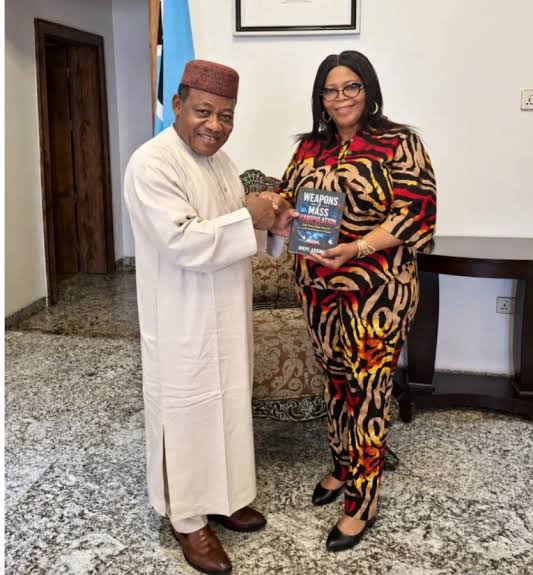
African governments have been urged to invest more in media institutions, professional expertise and modern technology to strengthen the continent’s influence in international affairs and ensure African perspectives are better represented globally.
The call was made during a diplomatic meeting in Abuja between Dr Mkpe Abang, Founder and Chief Executive of Media Diplomacy Studies, and Philda Kereng, the High Commissioner of Botswana to Nigeria.
The discussions focused on Africa’s place in the changing global information landscape and the role media organisations can play in communicating the continent’s achievements, priorities and aspirations to international audiences.
According to a report published by The PUNCH on October 14, 2026, Kereng stressed that African countries needed to take greater responsibility for telling their own stories instead of relying primarily on external representations that may be incomplete or distorted.
She highlighted the importance of deliberate public policy, long-term institutional investment and technological capacity-building to improve the effectiveness of African state media in international diplomacy.
The appeal comes amid growing debate over how African countries can improve their global image, counter misinformation and participate more effectively in international discussions about politics, economic development, security and social progress.
Why Stronger Media Institutions Matter
Media institutions are central to how societies understand events, scrutinise public officials and engage with the wider world. In international affairs, they also help communicate national policies, explain regional developments and provide context that might otherwise be missing from global coverage.
For Africa, strengthening these institutions could help ensure that international reporting reflects the diversity of the continent’s countries, economies, cultures and political experiences.
Abang argued that Africa’s ability to influence global perceptions depends not only on its achievements but also on its capacity to communicate them credibly and consistently.
The objective, however, is not simply to promote favourable images of African governments. Strong media institutions must also be able to report independently, investigate wrongdoing, question official claims and provide audiences with reliable information.
This distinction is essential. State-supported media can contribute to international communication, but their credibility depends on professional standards, factual accuracy and sufficient editorial independence to report beyond official messaging.
The African Union’s 2026 Africa Media Convention similarly placed media sustainability, press freedom and digital innovation at the centre of its agenda. Held in Lusaka, Zambia, on May 4 and 5, the convention brought together media stakeholders to discuss safer, more sustainable and trusted journalism across the continent.
Its objectives included developing more resilient funding models, protecting journalists from laws used to restrict reporting and helping African media organisations adapt to technological change.
Together, these discussions point to a wider recognition that media development requires strong institutions rather than isolated initiatives or short-term publicity campaigns.
Investment in Skills, Technology and Professional Standards
One of the central messages from the Abuja meeting was the need for sustained investment in professional expertise and technological infrastructure.
African media organisations face increasing pressure to deliver accurate reporting across television, radio, print, websites and social media. Meeting these demands requires trained journalists, experienced editors, reliable production equipment, digital distribution systems and effective mechanisms for checking information before publication.
Investment in digital technology is particularly important as audiences increasingly consume news through mobile devices and online platforms. Newsrooms need the skills to verify digital content, identify manipulated images and videos, protect sources and respond quickly to emerging stories.
Artificial intelligence is adding another layer of complexity. While new tools can help journalists analyse information and improve production workflows, they can also accelerate the spread of fabricated material. Media institutions therefore need clear editorial policies, verification procedures and staff training to use emerging technologies responsibly.
The Ghana News Agency reported in July 2026 that media and democracy experts had called for sustainable financing, stronger institutions, improved media literacy and viable business models to protect information integrity in West Africa.
Participants also raised concerns about the financial vulnerability of news organisations, political polarisation and the influence of digital platforms on advertising revenues.
These challenges demonstrate that training and equipment alone are insufficient. African media institutions also need stable management, sustainable revenue, ethical guidelines and the ability to retain skilled journalists.
Funding and Editorial Independence Remain Major Challenges
A major obstacle to stronger media institutions across Africa is the difficulty of sustaining journalism financially while maintaining editorial independence.
Many news organisations face declining advertising income, competition from digital platforms, rising operational costs and limited access to long-term investment. These pressures can make it harder to pay journalists fairly, fund investigative reporting and maintain adequate technical infrastructure.
An analysis published by African Business on September 24, 2026 argued that public-interest journalism should be treated as part of Africa’s economic infrastructure. Reliable reporting helps citizens understand markets, scrutinise public spending and hold institutions accountable.
The article called for coordinated, sustained investment rather than fragmented funding that supports individual projects without building the long-term capacity of news organisations.
Funding arrangements must also protect independence. Where a broadcaster relies heavily on government financing, political authorities may have considerable influence over appointments, budgets and editorial decisions. Transparent funding, independent oversight and clear editorial safeguards can help reduce that risk.
The State Media Monitor’s 2026 assessment of sub-Saharan Africa highlighted continuing government influence over state-linked media outlets. Its findings underline the importance of governance arrangements that allow publicly funded broadcasters to serve citizens rather than function primarily as government communication channels.
Press Freedom and Safety of Journalists
Building stronger media institutions also requires protecting journalists from intimidation, arbitrary detention, violence and legal harassment.
According to Reporters Without Borders’ 2026 regional assessment, press freedom in sub-Saharan Africa faces serious pressure from armed conflict, political instability, restrictive laws and economic difficulties. The organisation reported that conditions were difficult in 24 of the region’s 48 countries and very serious in five.
When journalists cannot investigate sensitive issues safely, the public loses access to information about corruption, governance, security and public services. Media organisations may also become less willing to challenge official accounts, weakening their ability to serve as independent sources of information.
Governments therefore have an important role in creating legal and institutional conditions that protect freedom of expression while addressing legitimate concerns through transparent and proportionate legal processes.
The African Union’s media initiatives have also emphasised journalist safety, sustainable newsrooms and the need to resist the misuse of laws restricting reporting. These measures are relevant to Africa’s broader ambitions to improve democratic accountability and strengthen its participation in global affairs.
Media Diplomacy and Africa’s International Image
The Abuja meeting also explored how stronger media institutions could support Africa’s diplomatic engagement. The discussion included the forthcoming presentation of Abang’s book, Weapons of Mass Manipulation: State Media, Global Influence and the New Diplomacy of Power, alongside the inauguration of the Annual Diplomacy Day.
Both events are scheduled for November 20, 2026, at the Shehu Musa Yar’Adua Centre in Abuja, under the auspices of Media Diplomacy Studies. The Botswana High Commission indicated its willingness to participate, according to the meeting’s statement.
The events are expected to extend discussion about how media, diplomacy and strategic communication influence international perceptions.
However, a sustainable improvement in Africa’s global representation will require more than coordinated messaging. Credible journalism, access to diverse perspectives and transparent public communication are essential to building trust among international audiences.
Conclusion
The call for Africa to build stronger media institutions highlights the connection between journalism, economic development, public accountability and international influence.
The priorities are clear: invest in professional training and technology, develop sustainable funding models, protect journalists, strengthen institutional governance and safeguard editorial independence.
African governments can support these objectives through transparent policies and public investment, while media owners, regional institutions, universities, civil society and development partners can contribute expertise and resources.
Ultimately, Africa’s ability to shape global conversations will depend not only on the stories it wants the world to hear, but also on the credibility and strength of the institutions telling them. A well-funded, independent and professionally managed media sector can help ensure that the continent’s achievements, challenges and ambitions are represented accurately at home and abroad.