Afghan Fathers Forced into Impossible Choices as Poverty Drives Families to Sell Children for Survival
Deepening poverty and humanitarian collapse in Afghanistan are forcing desperate families into heartbreaking decisions, including selling their children to survive amid hunger, unemployment, and economic crisis.
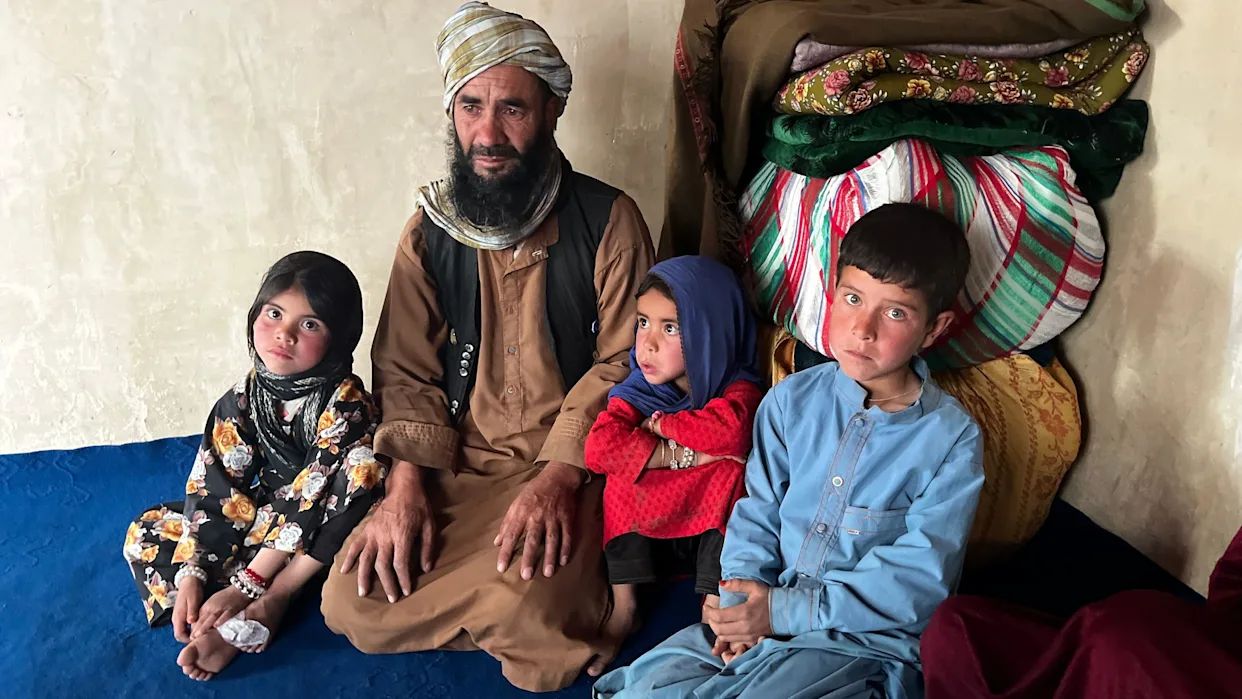
In villages scattered across the dry landscapes of Afghanistan, heartbreaking scenes are unfolding quietly behind mud walls and crowded refugee settlements.
Fathers who once dreamed of giving their children an education and a better future are now facing unimaginable choices, including selling their sons and daughters simply to keep the rest of the family alive.
The worsening humanitarian crisis in Afghanistan has pushed millions into extreme poverty following years of war, economic collapse, drought, and international isolation. Aid agencies warn that the country’s desperate conditions are driving families toward survival decisions that would once have been unthinkable.
For many parents, the choice is no longer between comfort and hardship. It is increasingly becoming a choice between starvation and sacrifice.
“We Had Nothing Left”
Across several Afghan provinces, humanitarian workers report growing numbers of families arranging informal child marriages, labor agreements, or outright sales involving children in exchange for money, food, or debt relief.
In many cases, fathers say they see no alternative.
“We had no food, no work, and winter was coming,” one father from Herat province reportedly told aid workers after agreeing to give up his young daughter to another family in exchange for financial support. “If I did not do it, all of my children would suffer.” (unicef.org)
Stories like his are becoming increasingly common as Afghanistan’s economy struggles under the weight of sanctions, unemployment, reduced international aid, and collapsing public services.
Millions of Afghans remain unable to afford necessities such as bread, medicine, heating fuel, and clean water.
Economic Collapse After Years of Conflict
Afghanistan’s humanitarian crisis deepened dramatically following the Taliban’s return to power in 2021.
The withdrawal of foreign forces and the freezing of billions of dollars in Afghan financial assets severely weakened the country’s banking system and public institutions.
International donors that once funded large portions of Afghanistan’s economy reduced or suspended support, leaving millions without stable incomes or essential services.
The United Nations estimates that a significant portion of Afghanistan’s population now depends on humanitarian assistance for survival. (news.un.org)
At the same time, recurring droughts, inflation, and food shortages have pushed already vulnerable communities deeper into desperation.
In rural areas, where jobs are scarce and farming conditions remain poor, many families have exhausted every available coping mechanism.
Aid workers say some parents sell household possessions, livestock, or land before eventually turning into far more devastating decisions involving their children.
Children Bear the Greatest Burden
Humanitarian agencies warn that Afghan children are paying the heaviest price for the country’s crisis.
Many children forced into these arrangements lose access to education, healthcare, and protection from exploitation.
Girls are especially vulnerable due to restrictions on female education and economic participation under Taliban rule.
Some young girls are reportedly married off at extremely early ages to older men in exchange for dowries that struggling families use to buy food or pay debts.
Others are sent away to work under dangerous conditions in markets, workshops, or agricultural labor.
UNICEF has repeatedly warned that child protection risks in Afghanistan have reached alarming levels as poverty worsens.
Aid organizations say many families are not acting out of cruelty but out of complete desperation and absence of alternatives.
Hunger Crisis Intensifies Pressure
Food insecurity remains one of the biggest drivers behind these heartbreaking decisions.
According to humanitarian assessments, millions of Afghans face acute hunger, with some families surviving on a single meal per day.
In refugee settlements and remote villages, parents often struggle to feed large households with no reliable source of income.
The World Food Programme has warned that cuts in humanitarian funding are reducing the amount of aid available to vulnerable communities. (wfp.org)
Aid workers say this has intensified pressure on families already living at the edge of survival.
Some fathers interviewed by relief organizations said they spent months searching unsuccessfully for work before resorting to arrangements involving their children.
Others described mounting debt and pressure from creditors as key reasons behind their decisions.
Women and Girls Face Additional Restrictions
The crisis affecting Afghan families has been compounded by restrictions placed on women’s education and employment opportunities.
Human rights organizations argue that limiting women’s ability to work has removed critical sources of household income, placing even greater economic pressure on male family members.
Many widows and female-headed households now face severe hardship because they have limited opportunities to support themselves financially.
Analysts say the exclusion of women from large sectors of public life has worsened Afghanistan’s economic decline and increased family vulnerability.
International Community Under Pressure
The growing reports of families selling children have intensified calls for greater international humanitarian support.
Aid agencies warn that without sustained assistance, more families may face similarly devastating decisions.
Humanitarian groups continue to urge donor nations to separate political disagreements from emergency humanitarian needs.
The United Nations and several international organizations have repeatedly appealed for increased funding to address food insecurity, healthcare shortages, and child protection concerns.
However, global donor fatigue and geopolitical tensions have complicated relief efforts.
Some countries remain cautious about engagement with Taliban authorities, while humanitarian organizations insist ordinary civilians should not bear the consequences of political disputes.
Long-Term Consequences for Afghan Society
Experts warn that the long-term social impact of Afghanistan’s humanitarian collapse could be devastating.
Children removed from education or forced into labor face higher risks of exploitation, trafficking, poverty, and long-term psychological trauma.
The crisis also threatens to deepen generational inequality and weaken future economic recovery.
Aid workers say the emotional toll on parents is immense.
Many fathers reportedly suffer guilt, shame, and emotional distress after making survival decisions involving their children.
For communities already traumatized by decades of war, displacement, and instability, the humanitarian emergency is creating new layers of suffering.
Hope Amid Despair
Despite the grim situation, humanitarian organizations continue working across Afghanistan to provide food, shelter, healthcare, and emergency assistance to vulnerable families.
Aid workers say increased international support could help prevent more families from reaching such desperate breaking points.
For now, however, millions of Afghan parents remain trapped between unbearable hardship and impossible choices.
As the humanitarian crisis deepens, the stories emerging from Afghanistan serve as a painful reminder of the human cost of war, economic collapse, and global neglect.