AFCON Scandal Deepens as Senegal Demands International Probe into CAF Over “Suspected Corruption”
Senegal calls for an independent international investigation into CAF over alleged corruption after AFCON title stripped and awarded to Morocco. Explore the controversy, reactions, and implications for African football.
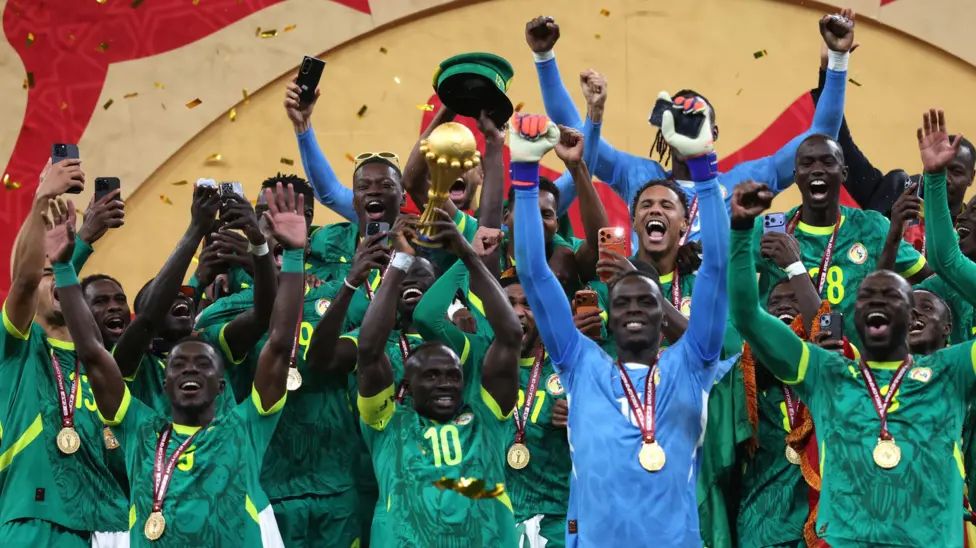
The Confederation of African Football (CAF) is facing one of the biggest crises in its history after Senegal formally demanded an “independent international investigation” into suspected corruption following the controversial stripping of its Africa Cup of Nations (AFCON) title.
The decision to overturn Senegal’s 1 - 0 victory over Morocco and award the title to the host nation has triggered outrage across Africa, with accusations of bias, procedural irregularities, and governance failure now dominating headlines.
The Decision That Sparked the Crisis
The controversy stems from the 2025 AFCON final played on January 18, 2026, where Senegal defeated Morocco 1 - 0 after extra time.
However, on March 17, 2026, CAF’s Appeals Board ruled that Senegal had forfeited the match, citing a temporary walk-off by players protesting a controversial VAR penalty decision. The match was retrospectively awarded as a 3 - 0 victory to Morocco, effectively stripping Senegal of the title. (Wikipedia)
This unprecedented reversal of an on-field result laid the foundation for what has now escalated into a political and institutional crisis.
Senegal’s Strong Reaction: “Grossly Unjust”
The Senegalese government reacted swiftly and forcefully, rejecting CAF’s decision outright.
In an official statement, authorities described the ruling as “grossly illegal and profoundly unjust”, and a decision that “undermines CAF’s credibility’’.
They further demanded an independent international investigation into suspected corruption within CAF’s governing bodies, escalating the issue beyond sport into diplomatic territory. (Reuters)
The government argued that overturning a match result after it had been completed violated fundamental sporting principles and raised serious questions about transparency.
Allegations of Corruption and Undue Influence
At the heart of Senegal’s protest are allegations that the decision may not have been purely regulatory.
Officials and football authorities in Dakar have suggested: possible behind-the-scenes influence in CAF decision-making, claims of “clandestine meetings” influencing the ruling, and concerns that Morocco may have had undue advantage as host nation (The Guardian)
These allegations have not been independently verified, but they have significantly intensified calls for external oversight.
CAF’s Justification
CAF has defended its ruling based on its disciplinary code.
The governing body cited Article 82 and 84 regulations, which penalize teams that leave the pitch without authorization, and the principle that discipline and order must be maintained in tournaments.
From CAF’s perspective, Senegal’s temporary walk-off, even though the team returned and completed the match, constituted a breach serious enough to warrant forfeiture.
However, critics argue that: the players returned within minutes, the match was completed and decided on the field, and no immediate forfeiture was declared during the game.
This has fueled claims that the punishment was disproportionate.
Growing Backlash Across Africa
The decision has sparked widespread criticism from football stakeholders, former players and coaches, and fans across the continent.
Veteran coach Claude Le Roy described the ruling as “absurd”, noting that the walk-off duration may not have met forfeiture thresholds. (Le Monde.fr)
Meanwhile, Senegalese players and officials have openly expressed disillusionment, warning that the decision damages trust in African football institutions.
Legal Battle Looms
Senegal has taken the dispute beyond CAF, announcing plans to appeal to the Court of Arbitration for Sport (CAS).
The case is expected to test CAF’s authority to overturn match results, the limits of disciplinary enforcement, and whether sporting outcomes can be reversed administratively.
A reversal by CAS could significantly undermine CAF’s credibility, while an affirmation could set a controversial precedent for future tournaments.
Why Senegal Wants an International Investigation
Senegal’s call for an external probe is rooted in deeper concerns about governance.
1. Lack of Transparency: Officials argue that CAF has not clearly explained the basis or timing of its decision.
2. Perceived Bias: The involvement of the host nation in the dispute has raised concerns about fairness.
3. Institutional Trust Deficit: African football has long struggled with governance issues, and this case has reignited fears of political interference, administrative manipulation, and weak accountability systems.
4. Protection of Sporting Integrity: Senegal insists that results should be determined on the pitch - not altered months later through administrative rulings.
Broader Implications for African Football
1. Credibility Crisis for CAF: This controversy has severely dented the reputation of the Confederation of African Football. For many observers, the decision reinforces long-standing concerns about governance and consistency within African football.
2. Dangerous Precedent: If upheld, the ruling could establish that: matches can be overturned after completion, and administrative decisions can override sporting outcomes. This introduces uncertainty into future competitions.
3. Political Involvement in Football: The direct involvement of the Senegalese government highlights how football disputes can escalate into diplomatic issues. This could increase political pressure on CAF and invite international scrutiny into African football governance.
4. Impact on Players and Fans: For players, the ruling raises uncomfortable questions: Does performance guarantee victory? And can results be taken away after the fact?
For fans, the controversy has eroded confidence in the fairness of competitions.
5. Africa’s Global Football Image: African football has made significant strides globally, but controversies like this risk: damaging investor confidence, reducing commercial appeal, and reinforcing negative stereotypes about governance.
Morocco’s Position
While controversy swirls, Morocco has maintained that: the decision followed CAF rules, the appeal process was legitimate, and the country respects sporting integrity. However, the title remains clouded, with many viewing it as administratively awarded rather than competitively earned.
Conclusion
The AFCON controversy has evolved into a defining moment for African football.
Senegal’s demand for an independent international investigation signals a deeper crisis - one that goes beyond a single match to question the very foundations of governance, fairness, and accountability within CAF.
Whether through legal battles or external probes, the outcome of this dispute could reshape how football is governed across the continent.
For now, one reality stands clear:
This is no longer just about who won AFCON - it is about who controls the integrity of African football.