Abia Uncovers Alleged Plot to Sponsor Protests Against Governor Alex Otti: Political Tensions Rise Ahead of Key Decisions
Abia State government raises alarm over an alleged plan to sponsor protests against Governor Alex Otti. Explore the political implications, security concerns, and what it means for governance in Abia.
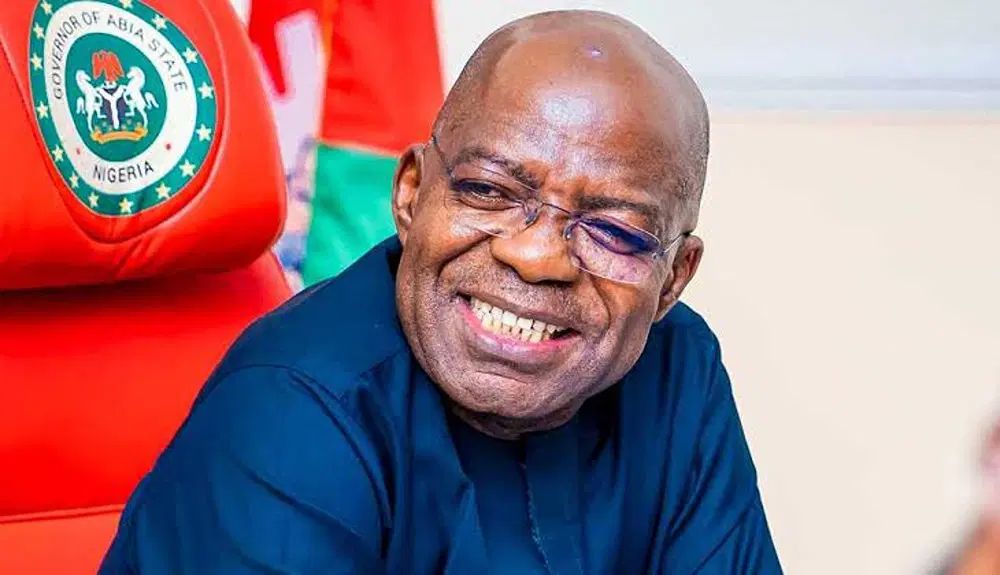
The Abia State Government has claimed it uncovered an alleged plot by political actors to sponsor protests aimed at destabilizing the administration of Governor Alex Otti. The revelation has sparked renewed debate about political tensions in the state and the broader implications for governance, civil liberties, and security.
According to government-linked disclosures, intelligence reports suggest that certain individuals or groups are planning to orchestrate protests - not necessarily as organic expressions of public dissatisfaction, but as politically motivated actions designed to disrupt peace and undermine the current administration. (Facebook)
Authorities have responded with warnings, urging residents to remain vigilant and avoid being used as tools in what they describe as a destabilization agenda.
Understanding the Allegations: Protest or Political Strategy?
At the heart of the controversy is the question of intent. Protests are constitutionally protected in Nigeria, but the Abia government’s position is that these planned demonstrations are not grassroots-driven.
Officials argue that the alleged sponsors intend to:
- Create an impression of widespread dissatisfaction
- Trigger unrest or security breakdown
- Undermine public confidence in the government
This narrative reflects a broader pattern in Nigerian politics, where protests, legitimate or otherwise, are sometimes framed as tools of political contestation.
However, critics caution that labeling protests as “sponsored” can also be a way to delegitimize genuine grievances.
Otti’s Position on Protests: A History of Caution
Governor Alex Otti has previously expressed concerns about protests being hijacked by “unpatriotic elements,” warning that demonstrations can spiral into violence if not properly managed. (Alex Otti)
He has consistently maintained that while protest is a democratic right, it must:
- Follow due legal processes
- Obtain security approval
- Avoid disrupting public order
This stance provides context for the current warning. For Otti’s administration, the issue is not merely about dissent, but about control, security, and the risk of escalation.
Political Undercurrents in Abia State
The allegation of sponsored protests cannot be separated from Abia’s evolving political landscape. Since assuming office, Otti has pursued reforms aimed at repositioning the state’s economy and governance structures.
Projects such as infrastructure renewal and initiatives tied to industrial expansion, like the Aba development agenda, have been central to his administration’s narrative of transformation. (Wikipedia)
However, these reforms have also generated friction:
- Opposition parties continue to challenge aspects of governance
- Political rivals are repositioning ahead of future elections
- Public expectations remain high amid economic pressures
In such an environment, protests, whether genuine or orchestrated, become potent political instruments.
Security Implications: Preventing Escalation
The Abia government’s warning highlights a critical concern: the security risks associated with politically charged protests.
Nigeria has witnessed several instances where peaceful demonstrations escalated into unrest due to:
- Infiltration by criminal elements
- Poor coordination with security agencies
- Political manipulation
By preemptively raising the alarm, the government appears to be adopting a preventive security approach seeking to deter potential unrest before it materializes.
However, this strategy must be carefully balanced to avoid infringing on citizens’ rights to peaceful assembly.
Public Perception: Between Trust and Skepticism
Public reaction to the government’s claim is likely to be mixed.
On one hand, supporters of the administration may view the warning as a necessary step to protect stability and safeguard ongoing reforms.
On the other hand, skeptics may interpret it as:
- An attempt to preempt criticism
- A strategy to discourage legitimate protest
- A reflection of underlying political insecurity
This tension underscores a broader issue in Nigerian governance: the delicate balance between maintaining order and respecting democratic freedoms.
The Role of “Sponsored Protests” in Nigerian Politics
The concept of “sponsored protests” is not new in Nigeria. Over the years, allegations have emerged across different states and at the federal level, often tied to:
- Political rivalries
- Policy disputes
- Election cycles
In many cases, the line between genuine civic activism and political orchestration is blurred. Financial incentives, mobilization networks, and media amplification can all influence the scale and perception of protests.
The Abia situation fits into this broader national pattern, highlighting how protests can become battlegrounds for political influence.
Implications for Governance and Democracy
The unfolding situation in Abia raises several important questions:
1. Can Government Preempt Protests Without Suppressing Rights?
Authorities must ensure that security measures do not cross into repression, as this could undermine democratic legitimacy.
2. Are Political Actors Weaponizing Public Dissent?
If the allegations are accurate, it suggests a troubling trend where protests are used as tools for political destabilization.
3. How Should Citizens Respond?
For residents, the challenge is distinguishing between genuine civic engagement and politically motivated actions.
What Happens Next?
The immediate future will likely involve:
- Increased security monitoring across the state
- Public communication campaigns by the government
- Possible counter-narratives from opposition groups
Whether protests eventually occur or are successfully deterred will shape the political climate in Abia in the coming months.
Conclusion: A Test of Political Maturity
The alleged plan to sponsor protests by Governor Alex Otti represents more than a local political issue; it is a test of democratic resilience.
For the government, it is an opportunity to demonstrate transparency, restraint, and commitment to civil liberties. For political actors, it is a moment to choose between constructive engagement and destabilizing tactics.
Ultimately, the outcome will depend on how all stakeholders’ government, opposition, and citizens navigate the fine line between politics and public order in a fragile but evolving democracy.