A Turning Point for Nigeria’s Technical Education as Polytechnic Introduces Education Technology Courses, Tackles Drug Abuse
Ogbonnaya Onu Polytechnic’s move to launch EdTech courses while combating drug abuse signals a major shift in Nigeria’s tertiary education. Read full analysis, implications, and policy insights.
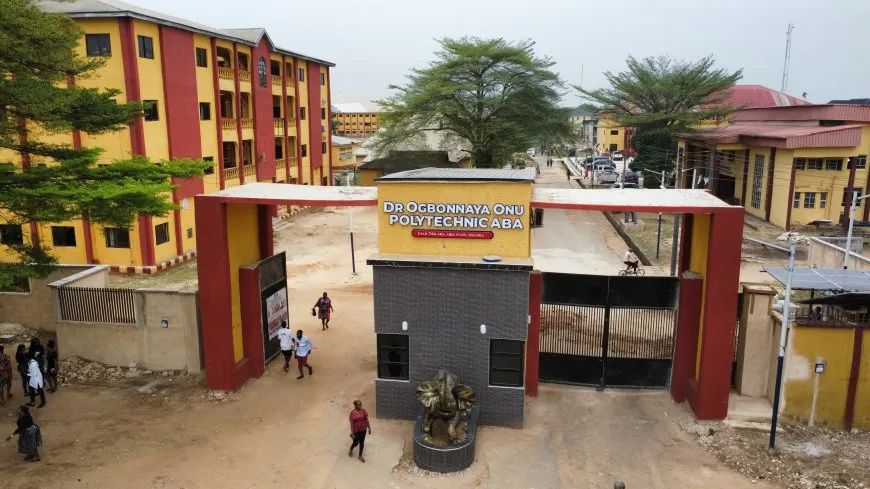
Nigeria’s polytechnic education system is undergoing a subtle but potentially transformative shift. The recent announcement by Ogbonnaya Onu Polytechnic Aba to introduce Education Technology (EdTech) courses while simultaneously tackling drug abuse among students represents a dual-pronged reform - one that addresses both the future of learning and the social realities undermining it.
According to a report by Punch Newspaper, coverage of the development, the institution plans to equip students with competencies in digital tools, instructional design, and modern pedagogical practices.
At the same time, the polytechnic is partnering with anti-drug agencies and intensifying awareness campaigns to curb substance abuse, a growing concern in Nigerian tertiary institutions. (Punch Newspapers)
This combination of academic innovation and social intervention does not accidentally reflect deeper systemic pressures.
The EdTech Shift: Responding to a Digital Economy
The introduction of Education Technology courses is part of a broader recognition that Nigeria’s education system is lagging global digital trends. Traditional polytechnic curricula, long focused on mechanical and industrial skills, are increasingly seen as insufficient in a world driven by digital literacy and innovation.
EdTech programs typically cover areas such as digital learning platforms, instructional design, artificial intelligence in education, and multimedia content development.
By embedding these into its curriculum, the polytechnic is effectively repositioning itself within the knowledge economy.
This aligns with wider policy directions from Nigeria’s education authorities, which emphasize integrating technology into teaching and learning frameworks. (FEDERAL MINISTRY OF EDUCATION)
The implications are significant. Graduates with EdTech skills are not limited to classrooms - they can work in e-learning startups, corporate training environments, educational consulting, content creation, and digital publishing.
In a country battling youth unemployment, this diversification of skills could be critical.
Why Polytechnics Are Under Pressure to Evolve
Polytechnics in Nigeria were originally designed to produce technical manpower for industrial growth. However, structural economic challenges such as declining manufacturing capacity have weakened that mandate.
As one recent report noted, Nigeria’s industrial slowdown has reduced demand for traditional technical skills, intensifying competition between polytechnic and university graduates. (Punch Newspapers)
This reality forces polytechnics to rethink their relevance.
The shift toward EdTech is therefore not just innovation, it is survival. Institutions that fail to modernize risk producing graduates who are unemployable in a rapidly changing economy.
Drug Abuse Crisis: The Silent Threat to Academic Reform
While curriculum reform addresses future opportunities, drug abuse represents an immediate existential threat within campuses.
Authorities at the polytechnic describe substance abuse as a major danger to societal development, linking it to mental health issues, poverty, and declining academic performance. (The Whistler Newspaper)
This concern is not isolated. Across Nigeria, tertiary institutions have intensified warnings against drug abuse, cultism, and other social vices. For instance, leadership at Kaduna Polytechnic recently reiterated zero tolerance for such behaviors, emphasizing strict disciplinary consequences. (The Nation Newspaper)
The convergence of drug abuse and education is particularly troubling because it undermines learning outcomes, increases dropout rates, fuels campus insecurity, and weakens workforce readiness.
In effect, even the most advanced curriculum reforms can fail if students are not mentally and socially equipped to benefit from them.
A Dual Strategy: Education Reform Meets Social Intervention
What makes the Ogbonnaya Onu Polytechnic initiative noteworthy is its integrated approach.
Rather than treating academic development and student welfare as separate issues, the institution is addressing them simultaneously:
- EdTech courses prepare students for the future
- Anti-drug campaigns protect their present
This reflects a more holistic understanding of education, not just as knowledge acquisition, but as human development.
Key elements of the strategy include collaboration with anti-drug agencies, student sensitization programs, preventive education on substance abuse, and institutional policies reinforcing discipline. Such measures align with national guidelines on drug prevention in schools, which advocate early intervention and continuous awareness. (FEDERAL MINISTRY OF EDUCATION)
Broader Implications for Nigeria’s Education System
If successfully implemented, this model could influence reforms across Nigeria’s polytechnic system.
1. Curriculum Modernization Will Accelerate: The institutions may follow suit, introducing courses in digital technology, AI, and innovation-driven fields.
2. Holistic Education Will Gain Traction: There will be increasing emphasis on student wellbeing, mental health, and behavioral discipline.
3. Stronger Industry Alignment: EdTech training can bridge the gap between academia and the digital economy, improving employability.
4. Policy Reforms May Follow: Regulatory bodies like the National Board of Technical Education (NBTE) could standardize such programs nationwide.
Challenges That Could Undermine the Initiative
Despite its promise, the initiative faces several structural challenges:
Infrastructure Deficits: Many polytechnics lack the digital infrastructure required for effective EdTech training - reliable internet, smart classrooms, and modern software tools.
Funding Constraints: Implementing new programs and sustained anti-drug campaigns requires significant investment.
Faculty Capacity: Lecturers must be retrained to deliver modern, technology-driven courses effectively.
Cultural Resistance: Both students and staff may resist changes, particularly in institutions with deeply entrenched traditional systems.
The Bigger Picture: Reform or Reinvention?
This development raises a fundamental question: Are Nigerian polytechnics being reformed or reinvented?
The answer may lie in how far such initiatives go. Introducing EdTech courses is a step forward, but true transformation requires industry partnerships, research and innovation ecosystems, entrepreneurship support, and continuous curriculum updates.
Similarly, tackling drug abuse must go beyond awareness campaigns to include counseling services, rehabilitation support, and strong enforcement mechanisms.
Conclusion: A Model Worth Watching
The decision by Ogbonnaya Onu Polytechnic to combine digital education reform with a crackdown on drug abuse is both timely and strategic. It acknowledges a simple but often overlooked truth: education systems cannot succeed if they ignore either the future of work or the present realities of students.
If sustained and replicated, this approach could mark a turning point for Nigeria’s polytechnic sector - transforming it from a struggling subsystem into a dynamic engine of innovation and human capital development.
For now, it stands as a compelling experiment - one that policymakers, educators, and stakeholders across the country will be watching closely.