A Renewed Call for Justice and Global Accountability as Ghana Demands Reparations for Slavery
Ghana intensifies calls for slavery reparations, urging Western nations to compensate Africa for historical injustices. Here are the demands, global reactions, and implications.
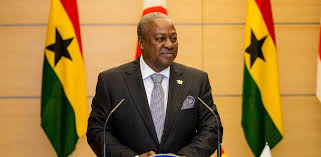
Ghana has renewed its call for reparations for slavery, positioning itself at the forefront of a growing global movement demanding justice for the transatlantic slave trade.
The West African nation’s push goes beyond symbolic acknowledgment - it seeks financial compensation, institutional reforms, and formal apologies from countries that benefited from centuries of exploitation.
As debates over historical accountability gain momentum worldwide, Ghana’s stance is reshaping conversations about justice, equity, and the legacy of slavery.
Ghana’s Position on Reparations
The campaign is being championed by Nana Akufo-Addo, who has consistently argued that the consequences of slavery continue to shape Africa’s economic and social realities.
Speaking at various international platforms, Akufo-Addo emphasized that:
- Africa’s underdevelopment is partly rooted in slavery and colonial exploitation
- Western nations that benefited have a moral obligation to compensate
- Reparations should be part of a broader framework for global justice
He stated that reparations are not about charity, but about acknowledging historical wrongs and correcting systemic inequalities.
The Scope of the Demand
Ghana’s reparations call is multifaceted, extending beyond direct financial payments.
1. Financial Compensation: At the center of the demand is monetary compensation to African nations affected by the transatlantic slave trade.
2. Debt Relief and Economic Support: Ghana and other African leaders have proposed the cancellation of external debts, increased development financing, and fairer global trade systems.
3. Formal Apologies: Another key demand is official apologies from former slave-trading nations, including countries in Europe and North America.
4. Cultural and Institutional Restitution: Ghana is also advocating for the return of stolen artifacts, and investment in education and historical preservation
Historical Context
Between the 15th and 19th centuries, millions of Africans were forcibly taken from the continent and enslaved in the Americas. Ghana, formerly known as the Gold Coast, was a major hub in this trade, with sites like Cape Coast Castle and Elmina Castle.
These locations remain powerful symbols of the brutality and scale of the slave trade.
The long-term consequences of this period include economic disruption, population loss, and structural inequalities that persist today
Growing African Momentum
Ghana is not alone in its push. The African Union has increasingly supported discussions around reparations, framing it as a continental issue rather than a national one.
Similarly, Caribbean nations, through groups like CARICOM, have long advocated for reparations, creating a potential alliance between Africa and the diaspora. This growing coalition strengthens the legitimacy and visibility of the demand on the global stage.
Global Reactions
1. Support from Activists and Scholars
Many academics and human rights activists support Ghana’s position, arguing that the wealth of Western nations is historically linked to slavery, and that reparations are necessary for true reconciliation
2. Resistance from Western Governments
However, most Western countries have been reluctant to engage with reparations demands. Common arguments include the difficulty of assigning responsibility across generations, concerns about the scale and logistics of compensation, as well as preference for development aid over reparations
3. Emerging Middle Ground
Some countries have taken partial steps, such as acknowledging historical involvement in slavery, and funding cultural and educational initiatives. However, these measures fall short of Ghana’s expectations.
Economic and Political Implications
Some economic and political implications of the reparations move include:
1. Redefining Global Economic Relations: If successful, Ghana’s campaign could reshape financial relationships between Africa and the West, as well as lead to new frameworks for global economic justice
2. Strengthening African Unity: The reparations movement could also foster greater cooperation among African nations and strengthen the African Union’s role in global negotiations
3. Diplomatic Tensions: At the same time, the issue risks straining relations with Western countries, and creating divisions in international diplomacy.
Challenges Facing the Reparations Movement
Despite growing support, significant obstacles remain.
1. Legal Complexity: There is no clear legal framework for enforcing reparations for historical injustices.
2. Political Resistance: Many governments are unwilling to commit to potentially massive financial obligations.
3. Defining Beneficiaries: Determining who should receive reparations - and how funds should be distributed - remains a complex issue.
Why the Debate Matters Today
Ghana’s push for reparations is about more than the past - it is about the present and future. The legacy of slavery continues to influence global wealth distribution, racial inequalities, and development disparities
By raising the issue, Ghana is forcing the international community to confront uncomfortable truths about history and its ongoing impact.
In summary, Ghana’s demand for slavery reparations represents a bold and significant moment in the global quest for justice. While the path to achieving reparations is fraught with challenges, the conversation itself is reshaping how the world understands accountability and historical responsibility.
Whether or not financial compensation materializes, Ghana has succeeded in placing reparations firmly on the global agenda - ensuring that the legacy of slavery is neither forgotten nor ignored.