A New Chapter in Global Power Politics, as European Leaders Converge on America as Russia Watches
European leaders are intensifying diplomatic engagement with the United States amid rising geopolitical tensions, while Russia closely monitors the evolving transatlantic alliance. Here’s what the convergence means for Europe, America, and global stability.
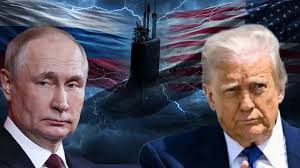
A significant diplomatic realignment is unfolding across the transatlantic landscape as key European leaders intensify high-level engagements with the United States, seeking to reshape strategic cooperation at a time of mounting global uncertainty. Against the backdrop of escalating Middle East tensions, renewed security anxieties in Eastern Europe, and shifting political calculations in Washington, the latest wave of diplomatic convergence between Europe and America is drawing close attention from Moscow.
For Russia, these developments are more than routine alliance consultations. They signal the possibility of a recalibrated Western Front that could reshape the strategic balance in Europe and beyond.
The renewed push for coordination reflects growing European concerns over security vulnerabilities, economic disruptions, and the need to preserve transatlantic unity amid increasingly unpredictable global events. While the optics project is solidarity, the deeper story is one of recalibration, caution, and strategic repositioning.
A New Diplomatic Surge Across the Atlantic
In recent weeks, leaders from across Europe including representatives of the European Union, France, Germany, and the United Kingdom, have intensified direct consultations with Washington over a broad range of issues including defense, trade, energy security, and regional stability.
The diplomatic surge reflects Europe’s growing recognition that its long-term security architecture remains deeply intertwined with American policy decisions, even as some European leaders continue advocating for greater strategic autonomy. The convergence comes amid heightened concern over instability in multiple theaters, from Eastern Europe to the Middle East. (Yahoo News)
This is not merely symbolic diplomacy. It is a strategic effort to ensure Europe remains central to critical global decisions, particularly those involving Russia, NATO, and future security guarantees for vulnerable regions.
Armenia Emerges as a Strategic Flashpoint
One of the clearest illustrations of Europe’s evolving geopolitical strategy is the unprecedented gathering of European leaders in Armenia.
The upcoming summit in Yerevan marks a historic moment for a country long considered firmly within Russia’s sphere of influence. European leaders are using the event to deepen engagement with Armenia, signaling support for its democratic reforms and gradual westward orientation. (The Guardian)
The summit carries symbolic and strategic significance.
Armenia has grown increasingly disillusioned with Moscow following what many in Yerevan perceive as insufficient Russian support during recent regional crises. Europe’s outreach therefore represents both diplomatic opportunity and geopolitical provocation.
For Russia, the optics are difficult to ignore. A nation historically tied to Moscow is now hosting a major European summit aimed at expanding Western influence in the South Caucasus.
Russia Watches with Growing Concern
The Kremlin has so far responded cautiously, but analysts suggest Moscow is monitoring these developments with increasing unease.
Russia has long viewed transatlantic fractures as strategic advantages, particularly amid periodic tensions between Washington and European capitals. A more coordinated U.S.-Europe posture especially one focused on defense cooperation and limiting Russian influence would complicate Moscow’s regional calculations.
This concern is heightened by new defense initiatives emerging across Europe. Britain’s announcement of a joint naval force with nine European countries under the Joint Expeditionary Force framework is one example of Europe’s determination to strengthen deterrence capabilities.
Russian officials have criticized similar efforts in the past, framing them as escalatory. Yet from Europe’s perspective, they are increasingly seen as necessary responses to hybrid threats, cyber warfare, and regional instability.
Trump’s America and Europe’s Strategic Balancing Act
Complicating the transatlantic equation is the political reality in Washington.
European leaders are navigating a delicate relationship with the administration of Donald Trump, whose “America First” posture has often generated friction with traditional allies.
On one hand, Europe remains dependent on American military capacity and strategic guarantees. On the other, uncertainty surrounding U.S. foreign policy has accelerated calls within Europe for greater independence in defense and diplomacy. (CGTN News)
This tension has created an unusual dynamic: Europe is simultaneously drawing closer to America while preparing for the possibility of standing more independently if political shifts in Washington reduce U.S. engagement.
That balancing act explains the urgency behind current diplomatic efforts.
Energy Security Drives Cooperation
Another major factor behind the renewed convergence is energy.
The global energy shock triggered by Middle East instability has underscored Europe’s continued vulnerability to external disruptions. European governments are working closely with the U.S. to coordinate energy security measures, diversify supply chains, and reduce dependence on adversarial sources.
The issue carries particular importance given Russia’s historical leverage through energy exports. While Europe has made significant progress in reducing dependence on Russian gas, the broader energy landscape remains fragile. (Reuters)
Enhanced transatlantic coordination is therefore viewed as essential not only for immediate stability but for long-term strategic resilience.
Defense Integration Accelerates
The latest diplomatic engagements are also advancing conversations around defense integration.
European leaders increasingly recognize that deterrence against potential threats requires deeper interoperability, faster decision-making mechanisms, and stronger collective military capabilities.
The Joint Expeditionary Force initiative reflects this trend, as do broader discussions about shared procurement, intelligence cooperation, and cyber defense.
While these efforts complement NATO rather than replace it, they represent a significant evolution in Europe’s security posture.
For Russia, the prospect of a more militarily cohesive Europe, particularly one operating in close alignment with Washington - is a strategic challenge that could reshape regional calculations for years to come.
The Broader Global Stakes
The convergence between Europe and America extends beyond Russia.
It reflects a larger contest over the future structure of international order, including how democratic alliances respond to authoritarian pressure, regional conflicts, and economic coercion.
The growing diplomatic activity signals recognition on both sides of the Atlantic that fragmented responses are no longer sufficient in a rapidly changing geopolitical environment.
Whether addressing security in Eastern Europe, instability in the Caucasus, or energy disruptions affecting global markets, coordinated action is increasingly viewed as indispensable.
Conclusion: A Defining Geopolitical Moment
The convergence of European leaders in America represents more than a diplomatic series of meetings. It marks a critical moment of strategic reassessment at a time when global power dynamics are shifting rapidly.
For Europe, the goal is clear: strengthen transatlantic cooperation while building greater resilience and autonomy.
For America, the challenge lies in reassuring allies while navigating domestic political complexities.
And for Russia, the message is unmistakable - a fragmented West may no longer be a reliable assumption.
As these diplomatic moves continue to unfold, their consequences will shape not only transatlantic relations but the broader architecture of global security in the years ahead.