A Nation in Mourning as School Shootings Emerge as a New Trauma for Turkey
Turkey reels from back-to-back school shootings that killed and injured dozens. As the nation mourns, questions arise about safety, youth violence, and the country’s future.
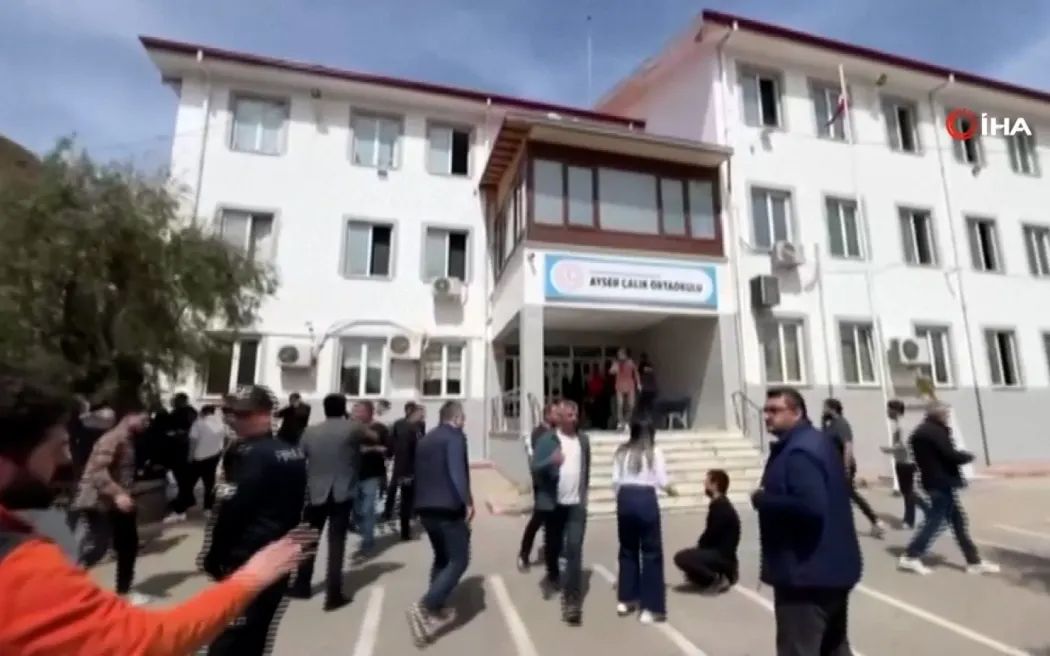
For decades, Turkey has largely been spared the kind of school shootings that have plagued other parts of the world. But in April 2026, that perception was shattered in the span of just 48 hours.
Two devastating attacks first in Şanlıurfa and then in Kahramanmaraş have left the country grappling with a new and deeply unsettling reality: school violence is no longer a distant tragedy, but a domestic trauma.
A Week That Changed Everything
The violence began on April 14, 2026, when a former student opened fire at a high school in Şanlıurfa, wounding at least 16 people before taking his own life. (Reuters)
Just 28 hours later, an even more horrifying attack unfolded at a middle school in Kahramanmaraş. A 14-year-old student carried multiple firearms into classrooms and opened fire, killing at least 10 people which most of them are children, and injuring many others. (Wikipedia)
The second incident, now known as the 2026 Onikişubat school shooting, has become the deadliest school shooting in Turkey’s modern history.
According to authorities, the weapons used in the attack belonged to the suspect’s father, a former police officer raising troubling questions about access to firearms even in a country with relatively strict gun laws. (Al Jazeera)
A Nation in Shock
The emotional impact has been immediate and overwhelming.
Images of crying parents, ambulances outside schools, and children fleeing classrooms have dominated national media. In cities across Turkey, vigils have been held as families mourn the loss of young lives cut short.
For many Turks, the trauma is not just about the deaths - it is about the collapse of a long-held sense of safety.
School shootings have historically been rare in Turkey, making these back-to-back incidents particularly shocking. (AP News)
What was once viewed as a problem in distant countries has now arrived at home.
Why This Feels Different
Turkey has experienced violence before, including terrorism and political unrest. But attacks on schools, especially by students, carry a different psychological weight.
Schools are seen as safe spaces, symbols of hope and future possibility. When violence enters that environment, it creates a deeper sense of vulnerability.
The fact that both attackers were young, one a current student, the other a former student, has intensified public anxiety.
It raises uncomfortable questions about youth mental health, social pressures, and the hidden struggles facing a new generation.
The Role of Youth Violence
Experts are increasingly pointing to a rise in youth-related violence across Turkey.
Recent reports have highlighted the growth of urban youth gangs, increased access to weapons, and the influence of social media in amplifying aggressive behavior. (Le Monde.fr)
In schools, teachers have also raised safety concerns. Prior incidents, including the killing of a teacher by a student in 2026 - had already signaled warning signs that may not have been fully addressed.
The latest shootings now appear to be part of a broader pattern rather than isolated events.
Gun Laws and Security Gaps
Turkey has relatively strict firearm regulations compared to many countries. Gun ownership requires licensing, background checks, and registration.
Yet, the Kahramanmaraş attack revealed a critical loophole: access within households.
The shooter reportedly used weapons belonging to a parent, highlighting how legal ownership can still translate into unauthorized access.
This has reignited debate over:
- Safe storage of firearms
- Monitoring of licensed gun owners
- Security measures within schools
Authorities have already convened emergency meetings to review school safety protocols nationwide.
Government Response and Public Pressure
In the immediate aftermath, Turkish officials launched investigations and deployed additional security to schools.
Dozens of individuals have been detained for spreading threats or inciting panic online, while authorities have increased monitoring of potential risks. (AP News)
However, public pressure is mounting for deeper reforms.
Educators and civil society groups are calling for:
- Improved mental health support for students
- Stronger school security systems
- Early intervention programs for at-risk youth
The question now is whether the government will treat these incidents as an isolated tragedy or as a wake-up call requiring systemic change.
Psychological Impact on a Generation
Beyond policy debates, the psychological toll on students, parents, and teachers is profound.
Children who once viewed school as a safe haven are now confronting fear and uncertainty. Teachers, too, are being forced to rethink their roles not just as educators, but as protectors.
Trauma experts warn that the long-term effects could include:
- Anxiety and fear among students
- Reduced school attendance
- Lasting emotional scars for survivors
In many ways, the country is experiencing the kind of societal trauma long associated with repeated school shootings elsewhere.
Global Comparisons and Lessons
Countries like the United States have grappled with school shootings for years, often struggling to find effective solutions.
Turkey now faces a critical choice: learn from those experiences or risk following a similar trajectory.
Key lessons from other nations include the importance of early intervention, community engagement, and balancing security measures with educational environments.
The rarity of such incidents in Turkey may still be an advantage offering an opportunity to act before they become normalized.
A Moment of National Reflection
The back-to-back shootings have triggered a broader conversation about the direction of Turkish society.
What pressures are young people facing?
Why are warning signs being missed?
And how can communities rebuild trust in institutions meant to protect them?
These are not easy questions, but they are now unavoidable.
Conclusion: A Turning Point for Turkey
The tragic events in Şanlıurfa and Kahramanmaraş have marked a turning point for Turkey.
What was once unthinkable has become reality, leaving a nation in mourning and searching for answers.
Whether this moment leads to meaningful change or fades into a cycle of reaction and inaction will shape the country’s future.
For now, Turkey grieves. But beneath grief lies a deeper challenge: ensuring that its schools remain places of learning, not fear.