A Former President Behind Bars: The Unexpected Reckoning of Nicolas Sarkozy
Nicolas Sarkozy begins a five-year prison sentence for plotting to fund his 2007 campaign with Gaddafi’s money a rare case of accountability at the highest level and a cautionary tale for world leaders, including in Africa.
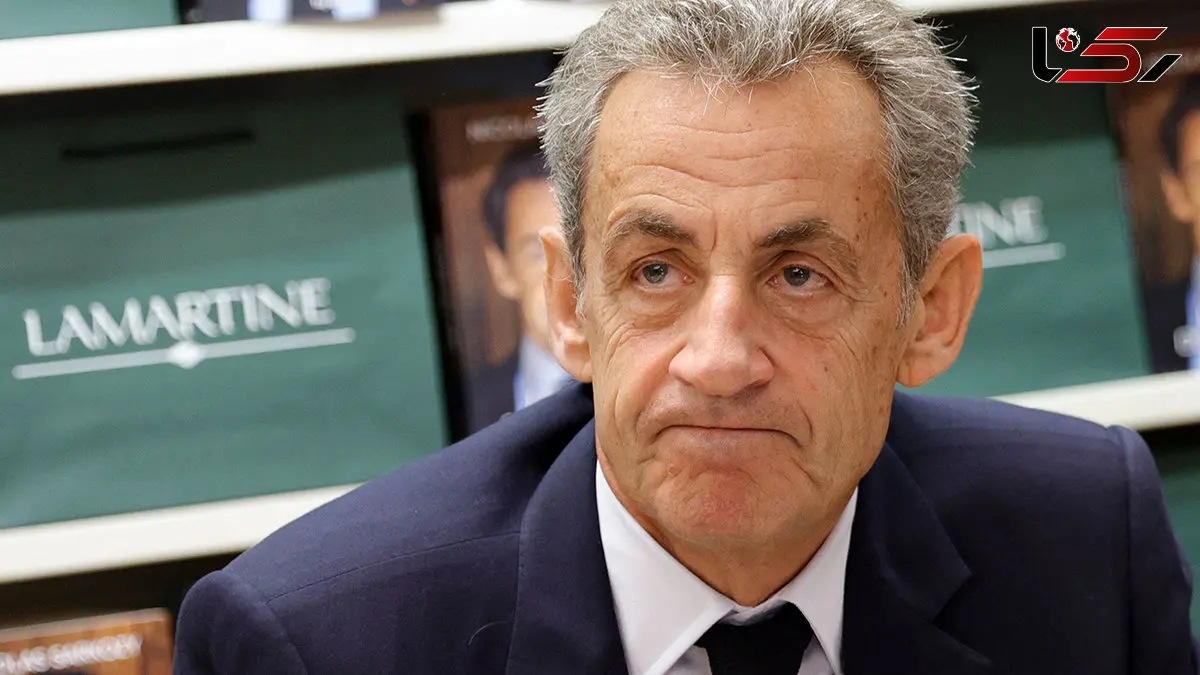
In a moment of historic gravity, former French President Nicolas Sarkozy entered La Santé prison in Paris on October 21, 2025, to begin a five-year sentence. His crime? A criminal conspiracy conviction tied to his 2007 campaign - accused of colluding with Libyan leader Muammar Gaddafi to secure illicit funding. - Al Jazeera
This is not just any political scandal; it’s the first time in modern French history that a former president has been sent to jail. The court found Sarkozy guilty by allowing his inner circle to negotiate with Libyan officials, an act the judges described as having “exceptional gravity” and one that threatens “citizens’ trust.” - The Guardian
The Prison Sentence: Details and Defiance
The prison arrangement is austere. Sarkozy, now 70, was placed in the isolation wing at La Santé, in a small 9 m² cell. He has only one hour of solitary exercise per day, no mobile phone, but a small TV, a toilet, a shower, a desk, and a fridge he’ll pay for.
Even as he entered prison, he maintained his innocence. “I am being convicted for having supposedly allowed … my staff members to go ahead with the idea … of illegal financing,” he said. He vowed to appeal, but the court’s decision makes the sentence “provisionally enforceable,” meaning he must go behind bars now, even as the legal fight continues. - euronews
Sarkozy did not ask for special treatment, though he will be separated from the general prison population for security reasons.
The Case: A “Faustian Pact” with Gaddafi
The conviction centers on a decades-old allegation: that Sarkozy and his closest aides struck a corrupt deal with Gaddafi in 2005, when Sarkozy was interior minister, to funnel Libyan funds into his 2007 campaign in exchange for political favours. Prosecutors described it as a “Faustian pact” - a morally corrosive bargain with a brutal dictator.
Although the court did not find conclusive evidence that Libyan money directly paid for the campaign, it convicted him for criminal association, noting his inner circle acted “in his name” to seek financial support. Two of his top lieutenants, Claude Guéant and Brice Hortefeux, were also convicted of association, though acquitted of some related charges. - The National
Sarkozy called the verdict an injustice. He lamented what he called a “will for revenge,” saying that the real victim was not just him, but the image of France itself.
Why This Matters Beyond France
A Test of the Rule of Law
Sarkozy’s imprisonment underscores a powerful principle: no one is above the law - even former heads of state. For democracies around the world, this acts as a potent reminder that long-standing power does not guarantee impunity.
Accountability for Foreign Influence
The case highlights the vulnerability of democratic systems to foreign interference. When campaign financing involves external actors - especially authoritarian regimes - it risks undermining sovereignty and public trust.
The Perils of Corruption Pacts
Leaders who strike unholy alliances for political gain may gain short-term advantages, but they often pay politically and morally in the long run. This saga serves as a cautionary tale about the price of “dirty” money.
What This Means for African Leaders - And Nigeria
For African leaders, Sarkozy’s conviction carries several hard lessons:
Transparency Is Non-Negotiable: Campaign financing must be above board. Secret deals, especially with foreign regimes, can come back to haunt governments long after the electoral win.
Sovereignty Risks: Taking money from external powers can create obligations that compromise national interests. Sarkozy’s case shows how foreign funding can erode independence.
Strengthen Institutions: Countries need robust, independent judicial bodies capable of investigating even the most powerful figures without fear or favour.
Public Trust Is Fragile: When elites engage in corrupt deals, it damages citizens’ faith in democracy. Accountability isn’t just a legal issue; it’s a social contract.
For Nigeria in particular - a country grappling with issues of corruption, foreign influence, and democratic backsliding - Sarkozy’s fall should serve as both a warning and an inspiration. Without credible institutions, even popular leaders may be tempted to strike shady deals. But if justice systems hold firm, no leader is untouchable.
Final Thoughts
Nicolas Sarkozy’s incarceration marks a turning point: a powerful, charismatic leader held accountable in a courtroom and sent to prison. It’s not just a French story - it’s a global precedent.
Leaders everywhere must reckon with this truth: the rule of law is more potent than power. As the world watches a former French president behind bars, the message echoes: clean governance, institutional strength, and ethical conduct matter. For the future of democracy, that lesson couldn’t be more urgent.
Sources:
Al Jazeera: Sarkozy guilty of conspiracy in Libyan funding case