250 Missing After Migrant Boat Sinks in Indian Ocean: Tragedy Highlights Growing Rohingya Crisis
Around 250 migrants are missing after a boat capsized in the Indian Ocean’s Andaman Sea, exposing the deadly risks faced by Rohingya refugees fleeing hardship.
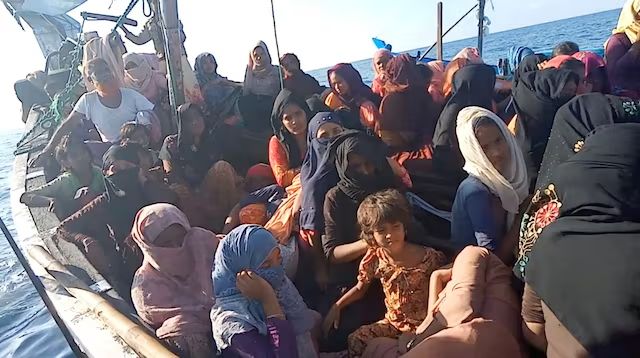
A devastating maritime tragedy has unfolded in the Indian Ocean, where approximately 250 migrants are feared missing after an overcrowded boat capsized in the Andaman Sea.
The incident, involving mostly Rohingya refugees and Bangladeshi nationals, has once again drawn global attention to one of the world’s most dangerous migration routes and the deepening humanitarian crisis behind it.
The Disaster at Sea
According to the United Nations refugee and migration agencies, the vessel carrying nearly 300 people, capsized during a perilous journey from Bangladesh to Malaysia.
The boat reportedly departed from Teknaf, a coastal town in southern Bangladesh, a key departure point for migrants attempting to escape overcrowded refugee camps. (AP News)
Authorities believe the vessel sank due to a combination of overcrowding, harsh weather conditions, and strong winds, all of which made the journey increasingly unstable. (
So far, only nine survivors have been rescued, leaving hundreds unaccounted for and feared dead. (Public Radio of Armenia)
Who Were the Victims?
The majority of those onboard were members of the Rohingya community, a persecuted Muslim minority from Myanmar, alongside Bangladeshi migrants.
Many are believed to have fled dire conditions in refugee camps in Cox’s Bazar, where more than one million Rohingya live in overcrowded and impoverished conditions after escaping violence in Myanmar. (The Guardian)
For these migrants, the journey across the Andaman Sea represents a desperate gamble - a chance to reach Malaysia, a country seen as offering better economic opportunities and relative safety.
However, as this tragedy shows, the journey is often deadly.
Survivors’ Harrowing Accounts
Those who survived have described horrifying conditions on board.
According to testimonies, passengers were crammed into tight spaces with little ventilation, food, or water. Some reportedly died even before the boat capsized due to suffocation and exhaustion.
One survivor recounted that the journey lasted several days under worsening conditions, with traffickers attempting to evade authorities while the vessel struggled against rough seas. (Reuters)
When the boat finally capsized, many passengers unable to swim were thrown into open waters, drastically reducing chances of survival.
The Role of Smuggling Networks
Human trafficking networks are believed to have played a central role in organizing the voyage.
Migrants often pay large sums to smugglers who promise safe passage to Southeast Asia. In reality, they are frequently transported on overcrowded and poorly maintained vessels, with little regard for safety.
In this case, reports suggest that passengers may have been misled with promises of jobs and better living conditions in Malaysia.
These networks exploit desperation, turning vulnerable populations into victims of a highly profitable but dangerous trade.
A Pattern of Deadly Journeys
This incident is not isolated. The Andaman Sea and broader Indian Ocean region have become hotspots for migrant tragedies in recent years.
Every year, thousands of Rohingya refugees attempt similar journeys, particularly during calmer seasonal conditions. However, even then, overcrowding and poor vessel quality make these voyages extremely risky.
Humanitarian agencies warn that such disasters are likely to continue unless root causes such as displacement, poverty, and lack of legal migration pathways are addressed.
Why Rohingya Continue to Flee
The Rohingya crisis dates to 2017, when a military crackdown in Myanmar forced more than 700,000 people to flee to Bangladesh. (Public Radio of Armenia)
Despite years of international attention, conditions have not significantly improved.
Rohingya refugees remain stateless, denied citizenship in Myanmar, and face limited opportunities in Bangladesh. Many camps struggle with severe overcrowding, food shortages, declining aid, and limited access to education and employment.
These conditions push many to seek alternatives, even if it means risking their lives at sea.
Limited Rescue Efforts and Challenges
One of the most troubling aspects of the tragedy is the lack of large-scale rescue operations.
Reports indicate that the boat sank in waters outside Bangladesh’s immediate jurisdiction, complicating response efforts.
With limited coordination among regional authorities, the chances of finding survivors diminish over time.
Search-and-rescue missions in such vast and remote waters are logistically challenging and resource-intensive which often delay response times.
Global Reaction and Calls for Action
The United Nations has described the incident as a stark reminder of the ongoing humanitarian crisis facing Rohingya refugees.
In a joint statement, UN agencies emphasized the “devastating human cost” of displacement and called for urgent international support to address the root causes of migration. (The Guardian)
Human rights organizations are also urging increased funding for refugee support programs, stronger action against human trafficking networks, and safer and legal migration pathways.
Without these measures, experts warn similar tragedies will continue to occur.
A Humanitarian Crisis Without Easy Solutions
The sinking of the migrant boat in the Indian Ocean underscores a painful reality: migration crises are not just about movement; they are about survival.
For the Rohingya, the choice is often between enduring hardship in camps or risking death at sea.
Neither option offers true safety.
Conclusion
The disappearance of around 250 migrants in the Andaman Sea is a tragedy that extends far beyond the waters where the boat sank.
It reflects a global failure to address displacement, protect vulnerable populations, and provide safe alternatives for those seeking a better life.
As families wait for news of their loved ones, the incident serves as a grim reminder of the cost of inaction and the urgent need for a coordinated global response.