25 Schoolgirls Abducted from Maga, Kebbi by Bandits in Latest Mass Kidnapping
Gunmen abduct 25 girls from the Government Girls Comprehensive Secondary School in Maga, Kebbi State; one staff member killed, and rescue operations intensify. The mass kidnapping revives fears of widespread banditry in north-west Nigeria and poses fresh questions about national security.
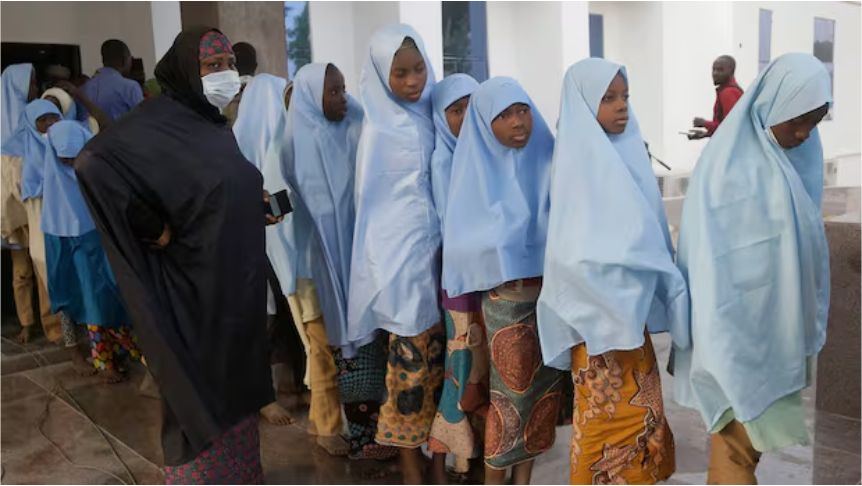
Gunmen stormed the Government Girls Comprehensive Secondary School in Maga, a town in Kebbi State, before dawn on Monday, dragging 25 female students from their dormitories and killing at least one school official in front of terrified classmates and teachers. The abduction - attributed by officials to heavily armed bandits - is the latest in a spate of mass kidnappings that have plagued north-west Nigeria and once again put the spotlight on the federal government’s ability to secure schools and communities. - AP News
According to police and eyewitness accounts, the attackers struck around 4 a.m., arriving on motorcycles and shooting as they forced their way through the school fence. The school’s vice-principal was reportedly killed during the raid, and another staff member was wounded. At least one of the abducted girls later managed to escape and return home. In contrast, the remaining girls’ whereabouts remain unknown as security forces and local vigilantes launched an intensive search. - ABC News
Kebbi state authorities, backed by military units, tactical police teams and local hunters, have deployed forces to search nearby forests and transit routes toward neighbouring Zamfara and Sokoto states - regions that have for years been the theatre of clashes between armed bandit groups and communities. The governor and national security chiefs are reportedly overseeing the operations. - Reuters
Officials have not publicly identified the assailants, but such mass abductions in the north-west are usually attributed to loosely organized “bandit” gangs - often described as former herders or criminal networks who now supplement cattle rustling and raiding with lucrative kidnap-for-ransom operations. Unlike Boko Haram and ISWAP in the northeast, these groups are not typically ideologically driven, although their violence has produced equally devastating humanitarian effects.
The kidnapping immediately revived haunting memories of earlier school abductions - most notably the 2014 Chibok abduction and later mass kidnappings across Zamfara and Kaduna states - and prompted fresh outrage among parents, students and rights groups. “It’s the same nightmare repeating itself,” one distraught parent told reporters. “We trusted the school to keep our children safe, but now we fear for their lives.” - Al Jazeera
What security sources say
A police spokesperson in Kebbi said the attackers engaged officers and then fled with the girls; the quick use of motorcycles is a hallmark of bandit tactics in the region. Security sources say the terrain and porous borders between forest pockets and neighbouring states allow kidnappers to move quickly and evade pursuit. Security forces typically rely on a combination of military patrols, air support and local vigilante intelligence to locate hostages, but successes have been mixed. - Reuters
One senior military official, speaking on condition of anonymity, told reporters that the Chief of Army Staff had ordered intensified operations to locate the girls and dismantle the kidnappers’ bases. The official emphasized the need for rapid, coordinated action to prevent the bandits from dispersing the captives across a wider area.
Survivor accounts and local response
At least one of the abducted girls escaped her captors and returned home, sparking both relief and questions about how others are being held. Parents and residents have formed search parties, and community leaders called for calm while urging stronger government action. Humanitarian agencies have warned that prolonged captivity increases the chance of abuses and the risk of forced marriages or trafficking.
Broader pattern: why schools keep getting targeted
Experts point to several interlocking causes: weak policing in remote rural areas, profitable ransom economies that make schools an easy target, proliferation of small arms, and grievances over land and resources that have mutated into criminal networks. Kidnapping schoolchildren brings intense media attention and often yields swift large sums via negotiated releases, creating a vicious economic incentive for repeats.
This year alone, hundreds of students have been abducted in mass attacks across north-west and north-central Nigeria, and thousands more since the 2014 Chibok crisis. The Maga abduction will likely reopen calls for better school protection measures - including hardened perimeters, local security partnerships, faster military response and improved intelligence sharing across states.
Political fallout and international concern
The incident has already generated national political heat. Opposition figures and civil society groups have criticized the federal and state governments for failing to prevent repeated attacks on educational institutions. International partners and human rights organisations frequently leverage such incidents to press for stronger governance, rule of law and humanitarian assistance to affected communities. Observers warn that prolonged insecurity not only traumatizes families but also damages Nigeria’s international image - understating investor confidence and complicating bilateral security cooperation. - Al Jazeera
What happens next
The immediate priorities are locating the abducted girls, securing their release and bringing attackers to justice. Security analysts say coordinated intelligence-led operations supported by aerial reconnaissance provide the best chances of success, while negotiated releases have sometimes ended mass kidnappings in the past - though they carry the long-term risk of incentivising further attacks. Meanwhile, NGOs and community groups are mobilising to provide psychological support to families and to lobby for systemic reforms to make schools safer.